 Wellbeing
The Importance of Companionship for Senior Mental Health
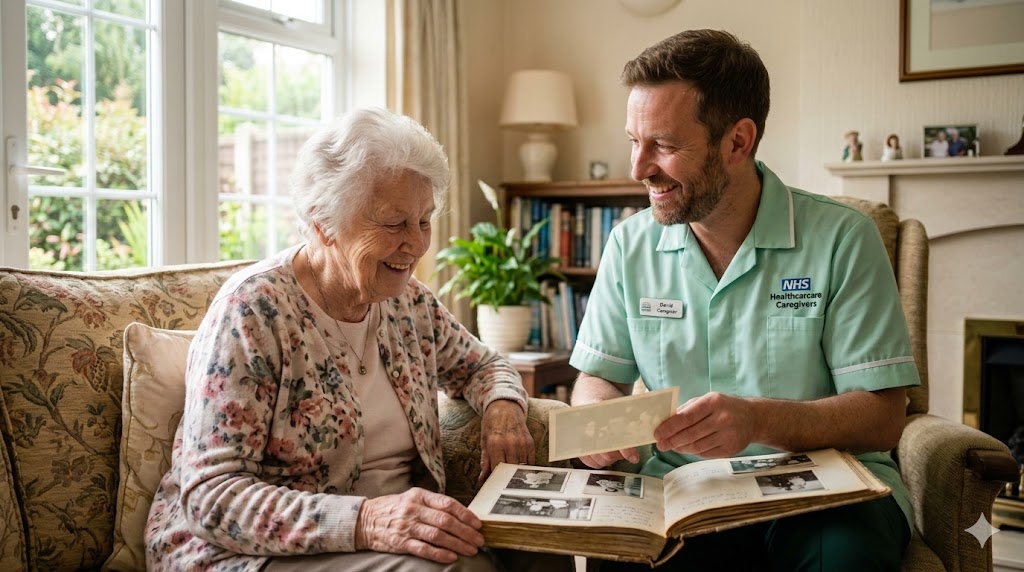
As we age, the importance of social interaction often becomes more significant than physical medical care alone. Research consistently shows that loneliness and social isolation among seniors can lead to severe health risks, including depression, anxiety, and even cognitive decline like Dementia. This is where professional home care transcends basic assistance; it provides essential companionship that nourishes the soul. At Community Careline Services, we believe that a simple conversation, sharing a meal, or a short walk in the garden can make a world of difference. Many families struggle to balance their busy work lives with the emotional needs of their elderly loved ones. A dedicated caregiver bridge this gap by offering a listening ear and a steady hand. When a senior feels heard and valued, their overall outlook on life improves dramatically. Mental wellbeing is closely linked to physical health. Seniors who are socially active tend to have better immune systems, lower blood pressure, and sharper memory. Companionship isn't just about passing the time; it’s about maintaining a sense of purpose and belonging. If you notice your loved one becoming withdrawn, remember that professional companionship is a proactive step toward a longer, happier life.
Read Article
→
 Health Tips
Essential Tips for Creating a Safe Home Environment
For many seniors, the home is a place of comfort and memories. However, as mobility decreases, the same familiar environment can present hidden hazards. Preventing falls is the number one priority in senior home care, as a single accident can lead to long-term complications. Making small, strategic modifications to the home can ensure your loved ones remain safe while living independently. Start by evaluating the flooring. Remove loose rugs or use non-slip mats, and ensure all walkways are clear of clutter. Lighting is another critical factor; as eyesight weakens, dim hallways or bathrooms become danger zones. Installing motion-sensor lights or brighter LEDs can significantly reduce the risk of tripping during the night. In the bathroom, installing grab bars near the toilet and inside the shower is a life-saver. A shower chair can also provide extra stability. Additionally, keeping daily essentials like medication, phones, and water at waist height prevents the need for excessive bending or reaching. A professional home care assessment can identify these risks early. A safe home environment doesn't just prevent injuries; it provides the senior and their family with much-needed peace of mind.
Read Article
→
 Health Tips
Navigating Dementia: Compassionate Care Strategies
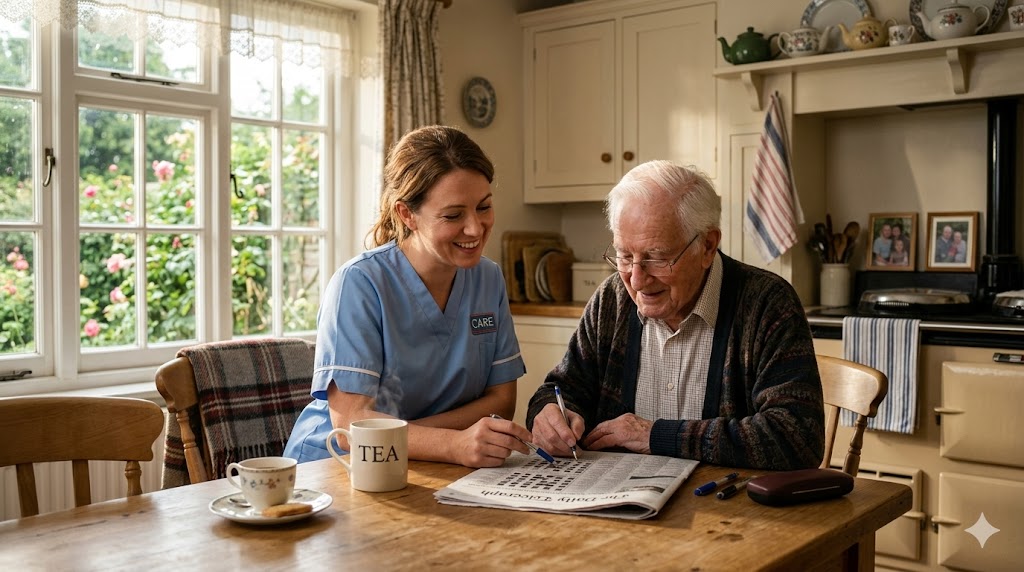
Caring for a loved one with Dementia is a journey that requires immense patience, understanding, and specialized techniques. Dementia is not just about memory loss; it affects communication, behavior, and the ability to process the world. Creating a supportive environment at home can help manage symptoms and improve the quality of life for both the patient and the caregiver. Consistency is the cornerstone of Dementia care. Establishing a predictable daily routine—fixed times for meals, medication, and sleep—reduces confusion and agitation. When communicating, use simple, clear sentences and maintain a calm, reassuring tone. Avoid correcting them or arguing if they become confused; instead, try to redirect their attention to a pleasant activity or a comforting memory. Labeling drawers or using visual cues can help seniors navigate their own homes more easily. However, the emotional toll on family caregivers can be significant. It is important to know when to seek professional "Dementia Care" support. Our specialists are trained to handle behavioral changes with compassion and expertise. Remember, while they may forget your words, they will always remember the feeling of love and safety you provide.
Read Article
→